We use different types of leather
What a label says tells you little about how a leather feels or how it ages. So here’s what lies behind the three terms used in our product descriptions.
Calfskin — 8 styles
The finest leather in our range and the only one whose origin is specified in the product descriptions: Italian calfskin, some washed, some braided.
Calfskin is thinner and denser than cowhide — it drapes more softly and has less texture. We use it exclusively for bags.
Vegetable-tanned cowhide — 28 styles
Cowhide tanned with plant-based substances; listed in the product descriptions as VT leather. This process takes longer than other methods and results in leather that darkens over time and develops signs of wear rather than hiding them.
We use it in both soft and firm versions, depending on the style. 15 wallets, 8 accessories, plus a few bags and business pieces.
All 28 vegetable-tanned cowhide styles →
Nappa leather — 47 styles
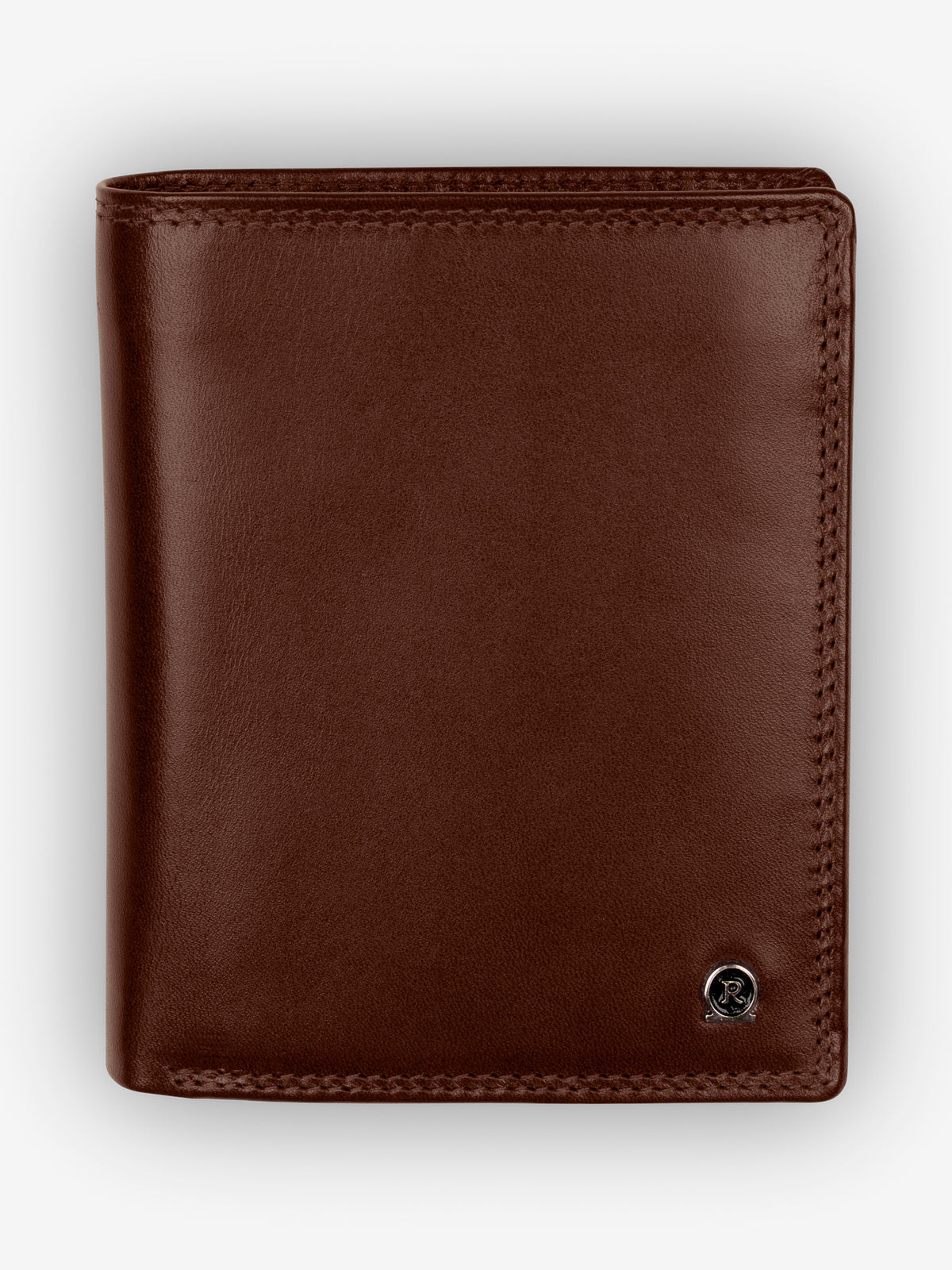
Cowhide with a fine, even grain, listed in the product descriptions as 100% Cow Nappa, with a softer version called Spongy Nappa. Soft from the start — no breaking in required.
We use it mainly for wallets (33 of 47 styles), as well as accessories (9). Nappa leather takes color evenly, which is why you’ll find the bold shades in our range here.
Soft or firm
Almost every product has a second descriptor: soft & supple (74 styles) or firm & substantial (18). This isn’t a value judgment. Soft leather conforms more quickly and feels familiar sooner; firm leather holds its shape longer and stays structured, even when packed full.


